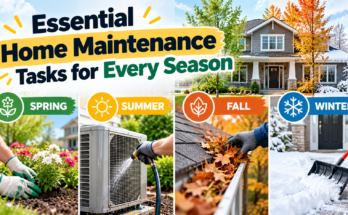

Introduction
Maintaining a home is an important responsibility that helps keep your living space comfortable, safe, and organized. Whether you live in a small apartment or a large house, regular home maintenance can help you identify minor problems before they become expensive repairs. However, for beginners, knowing where to start can sometimes feel confusing.
In my opinion, home maintenance does not have to be complicated or require professional skills for every task. Many basic responsibilities, such as checking for water leaks, cleaning air vents, inspecting doors, and keeping drains clear, can be handled with simple tools and a little planning. The key is to understand which tasks you can safely complete yourself and when you should contact a qualified professional.
Regular maintenance can also help protect household belongings, improve energy efficiency, and reduce unexpected repair costs. By following a simple routine, homeowners and renters can keep their living spaces in better condition throughout the year.
In this article, I will share easy home maintenance tips for beginners, explain how to create a practical maintenance schedule, and discuss common mistakes to avoid when caring for your home.
1. Check Your Home for Water Leaks
Water leaks are among the most important problems to identify early. Even a small leak can damage cabinets, floors, walls, and ceilings if it continues unnoticed. Moisture can also encourage mold growth and create unpleasant odors.
Start by checking the areas around kitchen sinks, bathroom sinks, toilets, showers, and washing machines. Look for dripping water, damp surfaces, loose connections, or unusual stains.
Pay attention to water bills as well. If your water usage suddenly increases without a clear reason, there may be a hidden leak somewhere in the plumbing system.
You should also inspect ceilings and walls for discoloration, bubbling paint, or persistent damp patches. These signs do not always mean a plumbing leak, but they deserve further investigation.
If you discover a small leak from an accessible connection, you may be able to address it using the manufacturer’s instructions and suitable tools. However, do not attempt repairs that require specialized plumbing knowledge.
For significant leaks, concealed pipe damage, or water near electrical equipment, contact a qualified professional. If safe to do so, shut off the relevant water supply to limit damage.
Checking for leaks regularly is a simple habit that can help protect your home from avoidable problems.
2. Keep Drains Clean and Clear
Blocked drains can cause slow water flow, unpleasant smells, and overflowing sinks. Fortunately, a few simple habits can help reduce the risk of blockages.
In the kitchen, avoid pouring cooking grease, oil, or large food scraps into the sink. Grease can harden inside pipes and contribute to blockages over time. Dispose of cooking oil according to local waste guidance and use a suitable food waste container when possible.
In the bathroom, remove hair and debris from accessible drain covers regularly. A drain strainer can help prevent unwanted material from entering the plumbing system.
If a drain becomes slow, first check whether a visible obstruction can be removed safely. A suitable plunger may help with some minor blockages.
Avoid mixing chemical drain cleaners or combining them with other cleaning products. Some combinations can release dangerous gases or cause harmful reactions. Follow product instructions carefully, and never use a tool or chemical that is unsuitable for your plumbing system.
If several drains become blocked, wastewater backs up, or the problem returns repeatedly, contact a plumber. These symptoms may indicate a larger issue within the drainage system.
Preventive habits are usually easier and less expensive than dealing with a major blockage.
3. Inspect Doors, Windows, and Locks
Doors and windows are essential parts of your home because they provide security, ventilation, and protection from weather conditions. Regular inspections can help you identify minor problems before they become more serious.
Check whether doors open and close smoothly. If a door squeaks, inspect its hinges and use a lubricant suitable for the material when appropriate.
Look for loose handles, damaged locks, and screws that may need attention. Tightening an accessible loose screw can sometimes solve a minor problem, but avoid forcing damaged hardware.
For windows, check whether they close properly and whether the frames show signs of moisture or deterioration. Damaged seals may allow drafts or rainwater to enter the home.
Inspect weather stripping around doors and windows. If it is worn, torn, or missing, replacing it may help improve comfort and reduce air leakage.
Locks and security hardware deserve special attention. If a lock is damaged or a door does not secure properly, arrange a suitable repair rather than relying on a temporary solution.
Regularly checking these features helps maintain security and keeps your home more comfortable throughout the year.

4. Clean Air Vents and Fans
Good ventilation helps maintain indoor air quality and reduces the buildup of dust and moisture. Air vents, exhaust fans, and other ventilation equipment should be checked regularly to ensure they are not blocked by dust or household items.
Begin by inspecting accessible vents and removing visible dust using a suitable vacuum attachment or cloth. Follow the manufacturer’s cleaning instructions, especially for equipment containing filters or delicate components.
Bathroom exhaust fans are particularly important because they help remove moisture generated by showers and bathing. If a fan becomes unusually noisy, stops working, or appears heavily clogged, it may need cleaning or professional inspection.
Kitchen ventilation systems should also be maintained according to their instructions. If your cooker hood has a removable filter, check whether it needs cleaning or replacement.
If your home uses an air conditioning system, inspect and clean or replace its filters according to the manufacturer’s recommendations. Dirty filters can restrict airflow and reduce system performance.
Switch off equipment before cleaning it, and avoid opening electrical components unless you are qualified to do so.
Proper ventilation maintenance can improve comfort and help prevent excessive indoor moisture.
5. Maintain Your Plumbing Fixtures
Taps, showerheads, toilets, and other plumbing fixtures receive frequent use, so they benefit from regular inspection.
Check taps for dripping water and look beneath sinks for moisture. A dripping tap may result from a worn washer, cartridge, or another component, depending on the fixture design.
If you are comfortable with basic repairs, you can consult the manufacturer’s instructions to understand whether the problem can be addressed with a suitable replacement part. Turn off the appropriate water supply before attempting any repair that requires disassembly.
Showerheads can develop mineral deposits that affect water flow. Clean them according to the manufacturer’s recommendations and use a method appropriate for their material.
Check toilets for continuous running water or flushing problems. A constantly running toilet can waste water and increase utility costs. Some issues involve accessible internal components, but persistent or complicated problems may require a plumber.
Avoid using excessive force on taps, handles, or pipe connections. Applying too much pressure can damage fittings and make a small problem worse.
A few minutes of regular inspection can help keep your plumbing fixtures working properly.
6. Test Smoke Alarms and Carbon Monoxide Alarms
Home safety should always be part of maintenance. Smoke alarms provide an early warning of fire, while carbon monoxide alarms can warn occupants about the presence of this dangerous, odorless gas.
If your home has these alarms, test them according to the manufacturer’s instructions and replace batteries or units when required.
Check the recommended replacement date because alarms do not last forever. Keep alarms installed in appropriate locations according to local building and fire safety guidance.
Never disable an alarm simply because it sounds inconvenient. If it activates unexpectedly, investigate the cause safely and follow the manufacturer’s guidance.
Carbon monoxide alarms are particularly important in homes that use fuel burning appliances, such as gas heaters or certain boilers. However, an alarm does not replace proper appliance installation, ventilation, and professional servicing.
If a carbon monoxide alarm sounds, or anyone experiences symptoms that could indicate exposure, leave the building immediately and contact emergency services from a safe location. Do not reenter until authorities confirm it is safe.
For beginners, checking safety alarms is one of the most valuable home maintenance habits because it helps protect people rather than just property.
7. Take Care of Walls, Ceilings, and Paint
Walls and ceilings can reveal signs of maintenance problems. Small scratches and paint marks are normal, but unexplained stains, cracks, or peeling surfaces may indicate an underlying issue.
Inspect walls occasionally for damp patches, unusual discoloration, and paint that begins to bubble or peel. If these signs appear near plumbing fixtures or beneath a roof, investigate the source rather than simply covering the area with fresh paint.
Small cosmetic marks can often be cleaned using a method suitable for the wall finish. Test any cleaning product on an inconspicuous area first to avoid damaging the paint.
For minor paint damage, a small amount of matching paint may be enough to improve the appearance. Prepare the surface properly and follow the product instructions.
Cracks require careful judgment. Tiny surface cracks may be cosmetic, but widening cracks, major diagonal cracks, or cracks accompanied by sticking doors and uneven floors may need professional assessment.
Avoid painting over persistent dampness or mold without addressing the underlying cause. Covering the visible damage will not resolve the problem.
Regular inspection helps you distinguish ordinary wear from issues that deserve attention.
8. Keep Electrical Outlets and Cords Safe
Electrical safety is an essential part of home maintenance. Faulty wiring, damaged cables, overloaded outlets, and defective appliances can create serious hazards.
Start by checking visible power cords for fraying, exposed wires, damaged plugs, or other signs of wear. Stop using damaged equipment and arrange a suitable repair or replacement.
Avoid overloading extension leads or connecting multiple adapters in ways that exceed their rated capacity. Keep electrical equipment away from water and follow the manufacturer’s instructions for use.
Pay attention to warning signs such as burning smells, buzzing outlets, sparks, frequent breaker trips, or switches that become unusually hot.
If you notice any of these problems, stop using the affected equipment or circuit when it is safe to do so and contact a qualified electrician. Do not remove outlet covers, handle exposed wiring, or attempt electrical repairs unless you have the required training.
Keep electrical panels accessible and do not block them with furniture or stored items.
A beginner’s role is primarily to inspect visible conditions, use appliances safely, and recognize when professional help is needed.
9. Clean and Maintain Kitchen Appliances
Kitchen appliances work more efficiently when they are kept clean and used according to their instructions.
Start with the refrigerator. Wipe up spills, check food storage conditions, and remove expired food when appropriate. Keep air vents inside the refrigerator unobstructed so that cold air can circulate properly.
Clean the microwave regularly to remove food splashes. Use a suitable cleaning method recommended by the manufacturer and avoid damaging the interior surfaces.
For ovens, follow the instructions for cleaning the specific model. Some ovens have self cleaning functions, while others require manual cleaning products or methods.
If your refrigerator has accessible coils or filters that require maintenance, follow the manufacturer’s guidance about cleaning and replacement. Disconnect power when the instructions require it, and do not remove panels that you are not qualified to handle.
Inspect appliance cords and plugs for visible damage. Keep the areas around appliances clean and free from excessive dust or grease.
If an appliance develops a burning smell, unusual electrical noise, or repeated operating problems, stop using it when safe and arrange a professional inspection.
Regular cleaning can help maintain performance and make it easier to notice problems early.
10. Inspect the Roof and Gutters When Safe
The roof protects your home from rain, sunlight, and other weather conditions. However, roof maintenance can involve significant safety risks, especially for beginners.
From the ground, look for missing roof tiles, damaged flashing, sagging areas, or other visible signs of deterioration. After heavy rain, check for new ceiling stains or signs of water entering the home.
If your property has accessible gutters, inspect them from a safe location for visible blockages or overflow. Gutters filled with leaves and debris may prevent rainwater from draining properly.
Do not climb onto a roof or use an unstable ladder to inspect gutters. Falls can cause serious injuries, and some roof surfaces are fragile or slippery.
Arrange professional inspection and cleaning when necessary, particularly if the roof is steep, high, damaged, or difficult to access.
Also ensure that rainwater drains away from the building where possible. Persistent pooling near foundations may require attention to drainage or grading.
Regular observation can help identify roof and drainage problems before they cause extensive interior damage.
11. Prevent Pests With Good Household Habits
Insects and rodents may enter homes in search of food, water, and shelter. Good housekeeping and basic preventive maintenance can help reduce the conditions that attract them.
Store food in suitable sealed containers and clean up crumbs or spills promptly. Avoid leaving dirty dishes in the sink for extended periods, especially overnight.
Empty waste bins regularly and use secure lids where appropriate. Keep food waste handled properly and clean the areas around bins.
Check doors, windows, and accessible openings for gaps that may allow pests to enter. Small openings may be sealed using appropriate materials, provided the work does not block ventilation or create other safety issues.
Repair dripping taps and address standing water where possible because some pests are attracted to moisture.
Inspect stored boxes and cupboards periodically, particularly in kitchens and storage areas. Keep items organized so that you can notice signs of pest activity early.
If you discover a significant infestation, repeated pest activity, or signs of termites or other wood damaging insects, contact a qualified pest control professional. Follow product safety instructions carefully if any pest control products are used.
Prevention is often simpler than dealing with a widespread infestation.
12. Create a Simple Home Maintenance Schedule
A maintenance schedule helps you remember important tasks without relying on memory alone. Beginners can start with a basic monthly plan and adjust it to suit their home.
Here is an example of a simple schedule.
Daily tasks
Check for visible spills, keep the kitchen reasonably clean, and put away items that create clutter.
Weekly tasks
Inspect frequently used rooms, clean accessible ventilation covers as needed, check for unusual plumbing moisture, and clean appliance surfaces.
Monthly tasks
Test smoke and carbon monoxide alarms according to their instructions, inspect visible plumbing connections, check door and window hardware, and look for signs of dampness or damage.
Seasonal tasks
Inspect the roof and drainage from safe locations, review window seals, arrange necessary appliance servicing, and check outdoor areas for maintenance concerns.
Not every task needs to be performed at exactly these intervals. Follow the manufacturer’s recommendations, local safety requirements, and the specific needs of your property.
For example, a home in a rainy area may require more frequent drainage checks, while a home with heavy air conditioning use may need closer attention to filters.
Keeping a simple checklist on your phone or in a notebook can help you track completed tasks and identify problems that need follow up.
13. Keep Basic Home Maintenance Tools
Having a few suitable tools available can make minor maintenance tasks easier. You do not need a large workshop or expensive equipment to begin.
A basic household toolkit might include a tape measure, screwdrivers, pliers, a flashlight, a small adjustable wrench, and a suitable cleaning brush.
Work gloves and safety glasses may also be useful for appropriate tasks. Choose equipment that fits the job and follow the instructions provided by the manufacturer.
Store tools in a dry, organized location and keep them away from children.
Before purchasing anything, consider which maintenance tasks you can safely perform and whether the tool will be used regularly. Borrowing or renting specialized equipment may be more practical than buying it for a single task.
Remember that tools do not replace training. Electrical repairs, complex plumbing work, structural concerns, and work at height may require professional assistance.
The goal is to be prepared for simple tasks while understanding the limits of your abilities.
14. Know When to Call a Professional
One of the most important home maintenance skills is knowing when a problem requires expert attention.
Small tasks, such as cleaning an accessible vent cover or tightening a loose cabinet handle, may be suitable for beginners. However, some repairs involve risks that are not obvious at first.
Contact a qualified professional when you discover significant water leaks, suspected structural damage, electrical faults, persistent mold caused by hidden moisture, or roof problems that require climbing.
Do not ignore warning signs because a repair appears expensive or inconvenient. Delaying a serious problem can lead to greater damage and higher costs.
When choosing a professional, check their qualifications, experience, and relevant licensing requirements where applicable. Explain the problem clearly and ask for an estimate before agreeing to nonemergency work.
If you rent your home, review your rental agreement and contact the landlord or property manager about repairs that fall under their responsibility.
A careful approach helps you protect your home without taking unnecessary risks.
Conclusion
Easy home maintenance begins with regular inspections, good household habits, and a practical understanding of which tasks you can handle yourself. Checking for water leaks, cleaning drains, maintaining ventilation, inspecting doors and windows, and keeping appliances clean can help you identify problems before they become more expensive.
Safety should always come first. Beginners can handle many basic cleaning and inspection tasks, but electrical faults, serious plumbing issues, structural concerns, and dangerous roof work should be left to qualified professionals.
In my opinion, the best way to maintain a home is to build a simple routine and follow it consistently. You do not need to complete every task at once or buy expensive equipment to get started.
Begin by checking one area of your home each week, record any problems you notice, and arrange repairs when necessary. With regular attention and sensible planning, you can keep your home safer, more comfortable, and in better condition for years to come.