
Introduction
Electricity is an essential part of modern life. We use it for lighting, cooking, cooling our homes, washing clothes, charging devices, and operating many household appliances. However, using electricity without paying attention to our daily habits can increase monthly bills and waste valuable energy.
In my opinion, saving electricity does not mean giving up comfort or avoiding the appliances we need. It means using electricity wisely, choosing efficient appliances, and developing simple habits that reduce unnecessary consumption. Even small changes can make a difference when they become part of our everyday routine.
Whether you live in a small apartment or a large house, there are several practical ways to save electricity at home. You can turn off unused lights, make better use of daylight, maintain appliances, and adjust your cooling habits according to the weather.
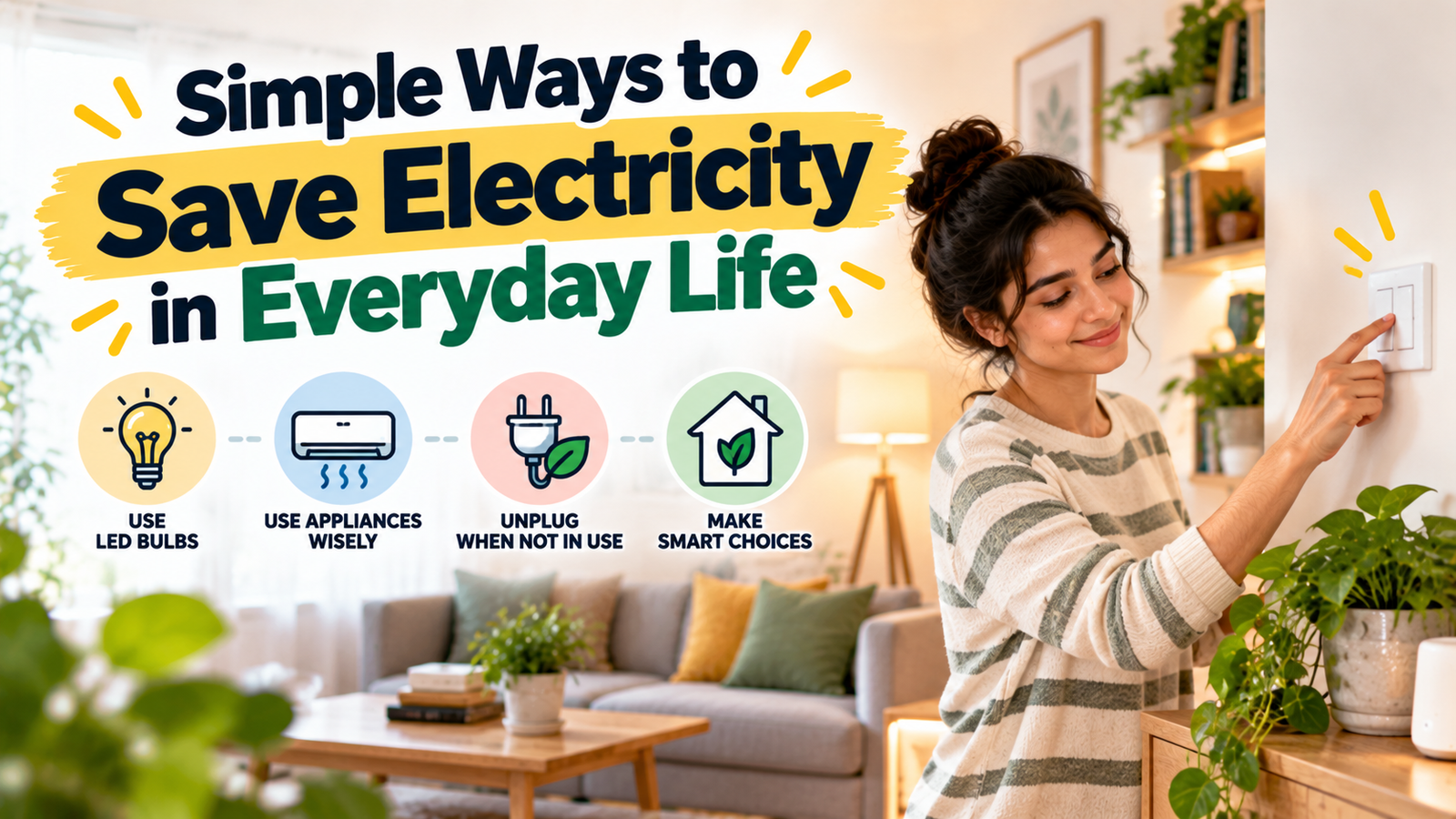
In this article, I will explain simple ways to save electricity in everyday life, reduce household energy consumption, and manage electricity expenses without making daily activities difficult.
1. Turn Off Lights When They Are Not Needed
One of the easiest ways to save electricity is to turn off lights when you leave a room. Many people leave lights switched on in empty bedrooms, bathrooms, kitchens, or hallways without realizing that this creates unnecessary electricity consumption.
Develop a habit of checking lights before leaving a room. If you are moving to another part of the house for an extended period, switch off the lights you no longer need.
You can also encourage other family members to follow the same routine. Simple reminders near switches may help children and adults remember to turn lights off.
However, consider safety when deciding which lights to switch off. Outdoor security lighting or lighting needed for safe movement may need to remain on.
Making this small change costs nothing and can become an easy part of your daily routine.
2. Replace Traditional Bulbs With LED Lights
Lighting technology has improved considerably, and LED bulbs are a practical choice for households that want to reduce electricity consumption.
LED bulbs generally use substantially less electricity than traditional incandescent bulbs while providing comparable brightness. They also tend to last longer, which can reduce the frequency of replacements.
When purchasing LED bulbs, check their brightness rating, usually measured in lumens, rather than choosing only by wattage. This helps you select a bulb that provides enough light for the room without using more electricity than necessary.
For example, a suitable LED bulb can provide the required lighting for a bedroom, study area, or kitchen while consuming much less power than an older incandescent bulb.
Start by replacing bulbs that are used most frequently. This may include lights in the living room, kitchen, hallway, or outdoor areas.
Choose the correct bulb type and brightness for each fitting. You do not need the brightest bulb in every room because appropriate lighting depends on the activity and available daylight.
3. Make Better Use of Natural Daylight
Natural daylight can reduce the need for artificial lighting during the day. Opening curtains and blinds allows sunlight to brighten your rooms without consuming electricity.
Arrange workspaces, reading areas, and study tables near windows when practical. This can make it easier to work during daylight hours without switching on multiple lights.
Keep windows reasonably clean because dust can reduce the amount of light entering the home. Use lightweight curtains when privacy allows, especially in rooms that receive limited sunlight.
However, consider indoor temperatures when managing sunlight. During hot weather, direct sunlight through windows can increase heat inside the home and make cooling appliances work harder. Closing suitable curtains or blinds during the hottest part of the day may help reduce heat gain.
The best approach depends on the season, window direction, and weather conditions.
By adjusting curtains and blinds according to the time of day, you can balance natural lighting with indoor comfort.
4. Use Air Conditioners Efficiently
Air conditioners can consume a significant amount of electricity, especially in hot climates where they operate for many hours each day.
One practical way to reduce electricity consumption is to choose a comfortable temperature rather than setting the air conditioner unnecessarily low. A moderate setting can reduce the cooling demand compared with trying to make the room extremely cold.
Use the manufacturer’s recommended settings and consider a temperature around 24°C to 26°C as a starting point for comfort when conditions allow. Individual needs and humidity levels may require adjustments.
Keep doors and windows closed while the air conditioner is operating so that cooled air does not escape unnecessarily. Clean or replace filters according to the manufacturer’s instructions because dirty filters can restrict airflow and reduce performance.
Use curtains or blinds to reduce direct sunlight entering the room during hot periods. Ceiling fans can also help circulate air and improve comfort, allowing some households to use a slightly higher air conditioning setting.
If you leave the room for a long period, consider whether the air conditioner needs to remain on. Your decision should account for the weather, room insulation, appliance efficiency, and any specific cooling requirements.

5. Turn Off Appliances When They Are Not in Use
Many household appliances continue consuming electricity when they are left running unnecessarily. Examples include televisions, computers, gaming devices, and some kitchen appliances.
Make a habit of switching off equipment when you finish using it. If a computer will not be needed for a while, use its sleep or power saving mode. Turn off the screen when it is not required.
Some appliances also use standby power when they appear to be switched off. This is often called standby or phantom electricity consumption.
For suitable devices, switching off the power at the wall or using a properly rated power strip can help reduce this consumption. Follow the manufacturer’s instructions and avoid switching off equipment that needs to remain powered for safety, updates, refrigeration, or other essential functions.
You do not need to unplug every device constantly. Focus on equipment that is safe to disconnect and that remains unused for long periods.
These small actions can reduce unnecessary electricity use without affecting your daily comfort.
6. Choose Energy Efficient Appliances
When buying a new appliance, consider its electricity consumption alongside its price, size, and features.
Refrigerators, air conditioners, washing machines, fans, and other frequently used appliances can have a noticeable effect on household electricity use.
Compare energy labels where available. Look for products with strong efficiency ratings and check the estimated annual energy consumption if the manufacturer provides it.
The right size is also important. An oversized appliance may cost more to purchase and operate than your household actually needs, while an undersized appliance may struggle to meet demand.
For air conditioners, consider the room size, insulation, climate, and expected usage. For refrigerators, choose a capacity that suits your household rather than buying a larger model without a practical reason.
Although efficient appliances can have a higher initial cost, lower electricity consumption may help offset the purchase price over time.
Before replacing a working appliance, compare the likely savings with the cost of buying a new one. Replacement is not automatically the most economical option in every situation.
7. Save Electricity When Using a Refrigerator
A refrigerator needs electricity throughout the day, so using it efficiently is an important household habit.
First, avoid opening the refrigerator door unnecessarily or leaving it open while deciding what to eat. Repeatedly opening the door allows cold air to escape and can increase the cooling demand.
Check that the door seals close properly. If the seals are damaged or the door does not close securely, cold air may escape and the appliance may use more electricity.
Allow hot food to cool appropriately before refrigeration, following food safety guidance. Do not leave perishable food at room temperature for extended periods while waiting for it to cool.
Avoid placing the refrigerator directly beside heat producing appliances or in an area exposed to strong sunlight if you have a better location available.
Clean the appliance according to the manufacturer’s instructions and maintain adequate ventilation around it. For models that require manual defrosting, remove excessive ice buildup as recommended.
Set the temperature according to food safety guidance and the manufacturer’s recommendations. Saving electricity should never come at the expense of keeping food at safe temperatures.
8. Use Washing Machines Wisely
Washing machines make household chores easier, but unnecessary washing cycles can increase electricity and water consumption.
Try to wash full but not overloaded loads whenever practical. Overloading can prevent clothes from cleaning properly and may place unnecessary strain on the machine.
Use cold water for suitable laundry whenever possible. Heating water can account for a considerable portion of the energy used during a washing cycle, depending on the machine and program.
Choose an appropriate cycle for the clothing rather than automatically selecting the longest or hottest setting.
If your machine has an energy saving mode, check whether it suits the type and amount of laundry you are washing.
Air drying clothes on a suitable clothesline or drying rack can also reduce electricity consumption compared with using an electric dryer.
Always follow the washing machine’s instructions and the care labels on clothing. The goal is to use enough water, heat, and washing time to clean clothes properly without unnecessary energy use.
9. Reduce Water Heater Electricity Consumption
Electric water heaters can consume a substantial amount of energy, particularly when hot water is used frequently.
Start by avoiding unnecessary heating. If your water heater has an adjustable temperature setting, follow the manufacturer’s instructions and choose a safe, appropriate setting for your household.
Fix leaking hot water taps promptly because they can waste both water and the energy used to heat it.
Use hot water only when needed. For example, cold water may be sufficient for certain cleaning tasks, while hot water is appropriate for others.
If your household uses an electric storage water heater, consult the manual to understand its operating schedule and available energy saving features. Timers may be useful for some systems, but the correct setup depends on the appliance and your household’s needs.
Do not reduce temperatures below safe levels or change water heater settings without understanding the manufacturer’s guidance and relevant hygiene requirements.
Regular maintenance can also help the system operate properly. Any electrical repairs or work involving hot water equipment should be handled by a qualified professional when required.
10. Use Fans Effectively
Fans are often useful for improving comfort without relying entirely on air conditioning.
A ceiling fan circulates air and helps the body lose heat through evaporation. It does not usually lower the actual temperature of the room, but it can make people feel cooler.
Switch off fans in empty rooms because they generally cool people rather than the room itself.
Keep fan blades clean and maintain the appliance according to the manufacturer’s instructions. Dust buildup and mechanical problems can affect performance.
If you use a ceiling fan with an air conditioner, the combination may improve comfort and allow you to adjust the air conditioner to a slightly warmer setting.
Check the fan’s direction settings if your model offers them. The appropriate direction depends on the season and the effect you want.
Choose a fan that suits the room size and compare power consumption when purchasing a replacement.
11. Reduce Electricity Use in the Kitchen
The kitchen contains several appliances that may use electricity every day, including kettles, microwaves, ovens, refrigerators, and cooking equipment.
Use appliances according to their intended purpose. For example, a microwave may be more efficient than a large electric oven for heating a small portion of food, although actual consumption depends on the task and appliance.
When boiling water in an electric kettle, heat only the amount you need while keeping the water level within the manufacturer’s recommended limits.
Use lids on suitable pots when cooking because they help retain heat and may reduce cooking time. Match cookware to the heating element where appropriate.
Prepare several dishes together when doing so is practical and does not compromise food safety. This can make better use of an oven that is already operating.
Clean appliances regularly and follow their operating instructions. Avoid leaving devices running after the task is finished.
These habits can help reduce electricity use while making kitchen activities more convenient.
12. Use Power Saving Settings on Electronic Devices
Modern electronic devices often include power saving features that reduce energy consumption.
On laptops and desktop computers, use the built in power settings to reduce screen brightness, shorten the time before the display turns off, and activate sleep mode when the device is idle.
Lower screen brightness on televisions and monitors when comfortable. Very bright displays may consume more electricity than necessary, depending on the technology and settings.
Enable battery saving mode on smartphones and tablets when appropriate. Disconnect chargers when they are no longer needed if doing so is convenient and safe.
For gaming systems and streaming devices, review automatic shutdown or sleep settings. Some devices can be configured to enter a low power state after a period of inactivity.
Remember that charging a phone generally uses much less electricity than operating a large appliance, so prioritize changes that offer meaningful savings rather than worrying excessively about every small device.
13. Maintain Electrical Appliances Regularly
Proper maintenance can help appliances work efficiently and may extend their useful life.
Clean air conditioner filters, refrigerator ventilation areas, fan blades, and other components according to the manufacturer’s instructions.
Inspect appliance cords and plugs for visible damage. Stop using damaged equipment and arrange a repair or replacement through a qualified professional.
If an appliance makes unusual noises, overheats, or performs poorly, investigate the issue rather than continuing to operate it without checking.
Keep vents clear and allow appliances sufficient space for ventilation. Blocked airflow can affect cooling and performance.
For appliances that require professional servicing, follow the recommended maintenance schedule. Regular service can help identify problems before they become more serious.
Never open electrical equipment or attempt repairs beyond your skills. Electrical safety is more important than attempting to save a small amount of electricity.
14. Monitor Your Electricity Consumption
Understanding your electricity use can help you identify where savings are possible.
Review your monthly electricity bills and compare consumption across different periods. Look at the units used, not only the total amount charged, because electricity prices and other charges can change.
If your electricity meter or utility provider offers detailed consumption information, use it to understand patterns in household usage.
Pay attention to appliances that operate for long periods, such as air conditioners, refrigerators, water heaters, and electric heating equipment.
You can also use a suitable plug in energy monitor for compatible devices, provided the monitor is correctly rated and used according to its instructions.
Make one or two changes at a time and review your consumption over the following billing periods. This can help you determine whether your new habits are making a difference.
Keep in mind that weather, household size, appliance use, and billing periods can affect comparisons. A higher bill does not always mean that your habits have become less efficient.
15. Develop Simple Daily Energy Saving Habits
The most effective electricity saving habits are the ones you can maintain consistently.
Start each morning by making the most of natural daylight. Switch on only the lights you need, and turn them off when leaving empty rooms.
During hot weather, close curtains when direct sunlight increases indoor heat. Use fans where practical and operate air conditioning efficiently.
Before going to bed, check unnecessary lights and electronic devices. Make sure essential appliances, such as refrigerators, remain powered.
When doing laundry or cooking, plan tasks to avoid unnecessary cycles and repeated appliance use.
Encourage family members to participate. Everyone can help by switching off unused lights, keeping refrigerator doors closed, and using appliances responsibly.
You can place simple reminders near switches or create a short household checklist. Over time, these actions can become automatic.
There is no need to change every habit at once. Start with the easiest steps and gradually introduce other improvements.
Conclusion
Saving electricity in everyday life does not require major sacrifices. By using appliances wisely, choosing efficient lighting, making better use of natural daylight, and avoiding unnecessary energy consumption, you can make your home more efficient and potentially reduce your electricity bills.
In my view, the best approach is to combine simple daily habits with thoughtful purchasing decisions. Turning off unused lights, maintaining air conditioners, washing clothes efficiently, and selecting suitable energy efficient appliances can all contribute to better energy management.
Start by identifying the appliances and activities that use the most electricity in your home. Make practical changes that suit your household, monitor your monthly consumption, and adjust your habits when necessary.
Remember that the results depend on your current appliances, local electricity rates, weather conditions, and how much energy you use. Even so, consistent improvements can help you avoid waste, manage household expenses, and use electricity more responsibly over time.