Introduction
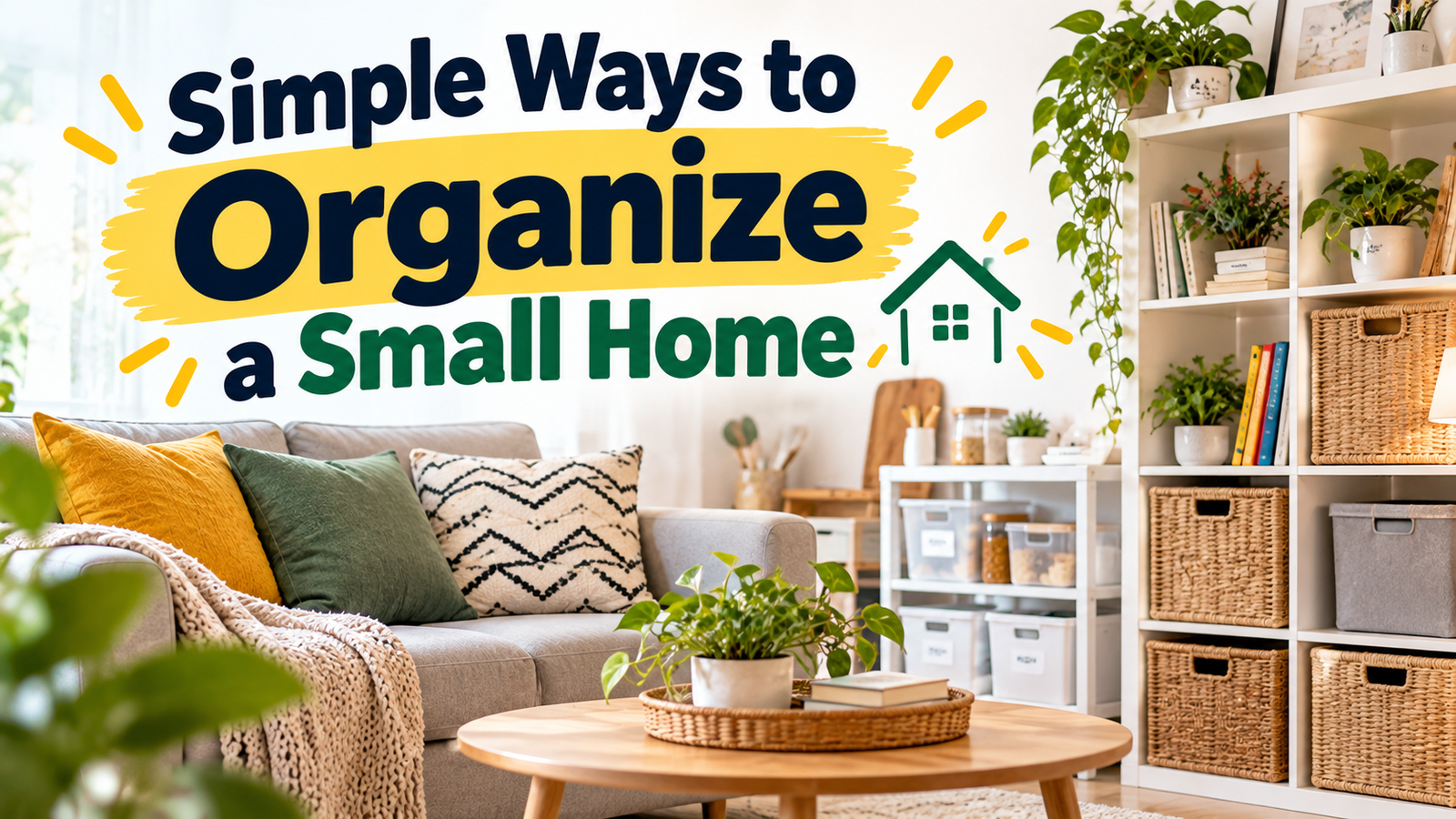
Organizing a small home can sometimes feel challenging, especially when there is limited storage space and many everyday items to manage. Clothes, kitchen supplies, books, cleaning products, and personal belongings can quickly make rooms look crowded if everything does not have a proper place. However, having a small home does not mean you have to live in a messy or uncomfortable environment.
In my opinion, the best way to organize a small home is to make better use of the space you already have. You do not always need expensive furniture, large storage cabinets, or complicated decorating ideas. Simple changes, such as removing unnecessary items, using vertical storage, and keeping frequently used belongings organized, can make a noticeable difference.
A well organized home can also make daily routines easier. When everything has a designated place, you spend less time searching for things and more time enjoying your living space.
In this article, I will share simple ways to organize a small home, save storage space, reduce clutter, and create a comfortable environment without spending too much money.
1. Start by Removing Unnecessary Items
One of the easiest ways to organize a small home is to reduce the number of items you keep. When storage space is limited, unnecessary belongings can occupy valuable areas and make rooms feel crowded.
Start with one small area, such as a drawer, cupboard, or bedside table. Take everything out and decide which items you use regularly, which items you want to keep for a specific reason, and which items you no longer need.
You can divide your belongings into three groups: items to keep, items to donate or sell, and items to recycle or discard responsibly.
Avoid trying to organize the entire home in one day. Working on one area at a time makes the process easier and less tiring.
For example, if your wardrobe contains clothes you have not worn for years, consider whether you genuinely need to keep them. Removing unused clothing can create space for the items you wear regularly.
Be thoughtful when decluttering sentimental belongings. You do not need to discard meaningful items simply to create an organized home.
The goal is to keep useful and valued possessions while removing things that make your living space harder to manage.
2. Make Better Use of Vertical Space
Many people focus only on the floor when organizing their homes. However, walls and other vertical areas can provide valuable storage opportunities.
Wall mounted shelves are useful for storing books, decorative items, small containers, and everyday essentials. They can free up space on desks, tables, and cabinets.
Hooks can also help organize bags, jackets, keys, towels, and other lightweight belongings. Installing hooks near the entrance can make it easier to keep frequently used items in one place.
In the kitchen, wall mounted racks can hold certain utensils or lightweight supplies. In the bathroom, shelves can provide extra room for toiletries without taking up too much floor space.
Before installing shelves or hooks, check the wall material and use suitable fittings. Keep heavy objects securely supported and avoid placing breakable items where they could fall onto people.
Vertical storage works best when it is practical rather than excessive. Store frequently used items within easy reach and place occasional items higher up when it is safe to do so.
3. Use Storage Boxes and Baskets
Storage boxes and baskets are simple tools for keeping a small home organized. They group similar items together and help prevent loose belongings from spreading across shelves, tables, and floors.
For example, you can use a basket for remote controls, a box for charging cables, and a container for stationery. In a wardrobe, separate boxes can hold seasonal accessories, scarves, or other small items.
Choose storage containers that fit the available space. Measure shelves, drawers, and cupboard areas before purchasing boxes to avoid buying containers that are too large.
Clear containers can be useful because you can see what is inside without opening every box. Opaque baskets may be a better choice when you prefer a simple and tidy appearance.
Labels can make storage even more practical. Write clear descriptions such as “winter clothes,” “documents,” or “cleaning supplies” so that everyone in the household knows where items belong.
You do not need to purchase new containers for everything. Clean shoe boxes, reusable baskets, and suitable containers you already own can serve the same purpose.
4. Keep Furniture Proportional to Your Space
Furniture has a major effect on how spacious a small home feels. Oversized sofas, large dining tables, and bulky cabinets can make rooms difficult to move around in.
Before buying furniture, consider the room’s measurements and the space needed to walk comfortably around each item.
Choose pieces that suit your needs rather than selecting furniture simply because it looks attractive in a showroom.
Multifunctional furniture can be especially useful in compact homes. For example, a storage bed can provide space for bedding or seasonal clothing. An ottoman with a storage compartment can serve as both seating and a place to keep small belongings.
A folding dining table may be useful if you need extra table space only occasionally. Nesting tables can also be stored together when they are not in use.
However, multifunctional furniture should remain easy to use. A storage unit is less helpful if accessing its contents requires moving several heavy objects every day.
Keep enough open space around essential furniture to make rooms comfortable and easy to navigate.
5. Organize Your Kitchen Efficiently
The kitchen can become cluttered quickly because it contains cookware, dishes, food supplies, utensils, and cleaning products.
Start by arranging items according to their purpose. Keep cooking utensils near the area where you prepare food, store everyday dishes in an accessible cupboard, and place frequently used ingredients where you can reach them easily.
Use drawer dividers to separate spoons, forks, knives, and other small utensils. Stack compatible cookware carefully, and store matching lids together to prevent them from becoming difficult to find.
Transparent containers can help organize dry ingredients such as rice, flour, lentils, and pasta. Label the containers clearly and store food according to its safety requirements.
Take advantage of the inside of cupboard doors when suitable organizers can be installed securely. They may provide additional space for lightweight items, such as certain lids or small supplies.
Avoid keeping duplicate kitchen tools that you rarely use. If several utensils perform the same function, consider whether you need all of them.
Finally, make it a habit to clear the kitchen counter after cooking. Keeping only frequently used appliances on the counter can make a small kitchen feel cleaner and more spacious.
6. Make the Most of Bedroom Storage
A bedroom should provide a comfortable place to rest, but cluttered surfaces and overflowing wardrobes can make it difficult to relax.
Begin by organizing clothing according to how often you use it. Keep everyday clothes in accessible drawers or wardrobe sections, and store seasonal items separately when practical.
Use drawer dividers to separate socks, undergarments, accessories, and other small belongings. Fold clothes consistently so that you can see what you have without disturbing the entire drawer.
The space beneath the bed can also be useful for storage if the bed design allows it. Suitable containers can hold extra bedding, seasonal clothing, or other items that do not need daily access.
Keep bedside tables simple. A lamp, a book, and a few essential items may be all you need.
If your bedroom is small, avoid using the bed as a permanent storage area for laundry, bags, and miscellaneous belongings. Give those items designated places elsewhere in the room.
A tidy bedroom is easier to clean and can create a calmer atmosphere at the end of a busy day.
7. Create an Organized Entryway
The entrance to a home often becomes a collection point for shoes, bags, keys, jackets, and other items used when leaving the house.
Even a small entryway can be organized with a few practical solutions.
Place a compact shoe rack near the entrance if there is enough room. Use wall hooks for bags or jackets, and keep a small tray or container for keys and other everyday essentials.
If you do not have a separate entryway, choose a designated corner near the door. A narrow shelf or small basket may be enough to create an organized landing area.
Encourage household members to return their belongings to this area when they arrive home. This simple habit can prevent shoes and bags from spreading into other rooms.
Avoid storing too many shoes near the entrance. Keep the pairs you use regularly accessible and store occasional footwear elsewhere.
An organized entryway can make leaving home easier because important items are easier to find when you need them.
8. Use the Space Behind Doors and Under Shelves
Small spaces that seem unimportant can provide useful storage opportunities.
The backs of suitable doors may accommodate over the door organizers for lightweight items, such as accessories, cleaning cloths, or toiletries. Make sure the organizer fits properly and does not prevent the door from closing.
Under shelf baskets can create an additional storage level inside some cupboards. These can be useful for lightweight kitchen supplies, napkins, or small household items.
Narrow gaps between furniture and walls may also accommodate slim storage units, provided they do not block walkways or create safety problems.
Before using these spaces, consider whether the items will be easy to access and whether the arrangement will make cleaning more difficult.
The purpose is to use overlooked areas intelligently, not to fill every available gap with belongings.
A small home often becomes more functional when storage solutions are selected according to the actual dimensions of each room.
9. Keep Bathroom Items Under Control
Bathrooms in small homes often have limited shelves and cupboard space. Toiletries, towels, cleaning supplies, and personal care products can quickly occupy every available surface.
Start by checking the products you already own. Discard empty packaging and dispose of expired products according to their labels and local requirements.
Group similar items together. For example, keep everyday skincare products in one container and hair care products in another.
Wall mounted shelves or suitable bathroom organizers can provide extra storage without taking up much floor space. Use products designed for humid environments and secure them properly.
Keep frequently used toiletries accessible, while storing backup supplies in a cupboard or another appropriate area.
Avoid placing too many objects around the sink. A clear surface is easier to clean and helps the bathroom feel more organized.
Cleaning products should be stored safely, away from children and pets, and never transferred into containers that could be mistaken for food or drinks.
10. Organize Small Living Rooms With Purpose
A small living room needs to support several activities, such as relaxing, entertaining guests, watching television, and sometimes working or studying.
To make the room more functional, begin by identifying its main purpose. Arrange furniture to support those activities while keeping walkways clear.
Use a compact coffee table, side table, or storage ottoman when it suits your needs. A wall mounted television may free up floor space, provided it is installed safely.
Keep decorative objects limited to a few meaningful pieces. Too many ornaments can make shelves and tables appear crowded.
Use baskets to collect items such as magazines, remote controls, and small blankets. Return these items to their designated places after use.
If the living room also serves as a workspace, consider a compact desk or a folding work surface. Keep work materials together so they can be stored neatly when the area is used for relaxation.
Good organization does not mean removing all decoration. It means creating a balance between useful belongings, personal style, and comfortable movement.
11. Create a Simple Daily Cleaning Routine
Even a well organized home can become messy if belongings are not returned to their proper places.
A short daily routine can prevent clutter from building up. You do not need to spend hours cleaning every day.
For example, spend ten minutes in the evening putting away loose items, clearing tables, returning dishes to the kitchen, and preparing essential belongings for the next day.
Make your bed in the morning if that helps establish a tidy start to the day. After cooking, clean the surfaces you used and return ingredients to their proper storage areas.
Try to follow a simple rule: when you finish using something, return it to its designated place whenever practical.
Household members can share these responsibilities so that one person does not have to manage every task alone.
You can also assign specific days for larger tasks, such as cleaning the refrigerator, organizing cupboards, or changing bedding.
Small, consistent efforts are usually easier to maintain than allowing clutter to accumulate until a major cleaning session becomes necessary.
12. Make Your Small Home Feel More Spacious
Organization can improve the appearance of a small home as well as its functionality.
One helpful approach is to keep surfaces relatively clear. When tables, counters, and floors are not covered with unnecessary items, rooms often feel more open.
Good lighting can also make a difference. Use natural light where possible, keep windows unobstructed, and add suitable lamps to darker areas.
Mirrors can help reflect light and create a greater sense of visual space when placed thoughtfully.
Choosing a consistent color scheme for furniture and storage containers can make rooms appear more coordinated. However, you do not need to redesign your entire home to achieve this effect.
Keep curtains, rugs, and decorative items proportional to the room. Large objects may dominate a small space, while appropriately sized pieces can maintain a better visual balance.
Remember that an organized home does not have to look like a showroom. It should reflect your lifestyle and contain the belongings you genuinely need and enjoy.
13. Avoid Common Home Organization Mistakes
Some organizing habits can create more work rather than solving the original problem.
One common mistake is buying storage containers before removing unnecessary items. This can lead to spending money on boxes that eventually become crowded with things you do not need.
Another mistake is storing frequently used belongings in difficult to reach places. Items used every day should generally be easy to access.
Do not organize everything according to appearance alone. A storage system must be practical for the people who use it.
Avoid filling every empty space simply because it is available. Leaving some open areas makes cleaning easier and gives rooms a less crowded appearance.
Finally, do not expect to organize the entire home perfectly in one day. Start with the most frustrating area and improve it gradually.
The best system is one that fits your daily routine and is simple enough to maintain over time.
Conclusion
Organizing a small home becomes much easier when you focus on practical solutions rather than trying to create more space than you actually have. Removing unnecessary items, using vertical storage, choosing suitable furniture, and arranging belongings by category can make a noticeable difference.
Kitchen counters, bedroom wardrobes, bathroom shelves, and living room surfaces can all benefit from simple organization habits. Storage boxes, hooks, drawer dividers, and multifunctional furniture can also help you use available space more efficiently.
In my opinion, consistency is the most important part of maintaining an organized home. Spending a few minutes each day returning belongings to their proper places can prevent clutter from becoming overwhelming.
Start with one room or one small area, use the storage options you already have, and make changes according to your needs. With a little planning and regular effort, even a small home can become comfortable, functional, and welcoming.