Introduction
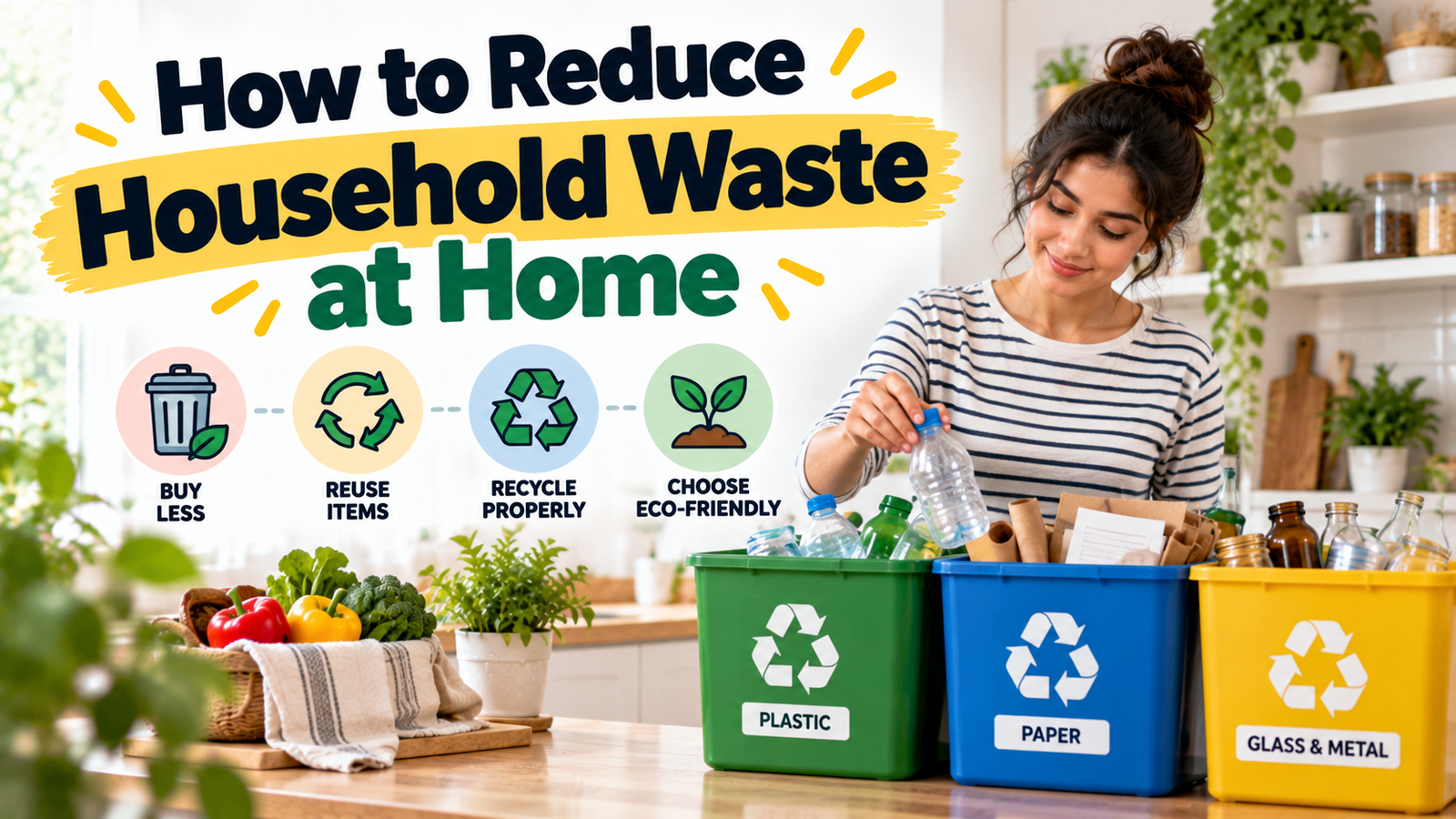
Reducing household waste is one of the simplest ways to create a cleaner, more organized, and environmentally friendly home. Every day, households produce waste from food packaging, plastic bags, leftover meals, paper products, old clothes, and other everyday items. Although some waste is unavoidable, many common household habits can be changed to reduce the amount we throw away.
In my opinion, reducing waste does not require a complicated lifestyle or expensive products. Small changes, such as planning meals, reusing containers, avoiding unnecessary purchases, and separating recyclable materials, can make a meaningful difference over time.
A waste conscious home can also help save money because fewer useful items end up in the trash. When we purchase only what we need and use products more carefully, we can reduce unnecessary spending while keeping our living spaces organized.
In this guide, I will share practical ways to reduce household waste at home, manage food scraps, reuse everyday items, make better shopping choices, and develop simple habits that support a cleaner environment.
1. Understand the Types of Household Waste
The first step in reducing household waste is understanding what your home produces most often. Different households create different types of waste depending on their shopping habits, cooking routines, family size, and lifestyle.
Common types of household waste include food scraps, plastic packaging, cardboard boxes, paper, glass containers, metal cans, old clothing, and broken household items.
Spend a few days observing what you throw away. You may notice that most of your waste comes from food packaging, leftover meals, disposable products, or items purchased without much planning.
Once you identify the main sources, you can focus on practical changes that address the biggest problems.
For example, if your household throws away a lot of food, meal planning and proper storage may help. If plastic packaging makes up a large portion of your waste, buying products with less packaging or choosing refillable options may be useful.
Understanding your waste habits gives you a starting point and makes it easier to measure your progress.
2. Plan Your Meals to Reduce Food Waste
Food waste is a common household problem. Vegetables may spoil in the refrigerator, bread can become stale, and leftovers may be forgotten until they are no longer safe to eat.
Meal planning is one of the most practical ways to reduce food waste at home. Before shopping, check your refrigerator, freezer, and pantry to see which ingredients you already have.
Create a simple weekly meal plan based on those ingredients. If you have vegetables that need to be used soon, include them in soups, curries, salads, or other suitable meals.
Prepare a shopping list and buy quantities that match your household’s needs. Avoid purchasing large amounts of perishable food simply because it is discounted.
Store food correctly according to its type and follow food safety recommendations. Keep your refrigerator at a safe temperature, use appropriate containers, and label leftovers with the date they were prepared.
You can also designate one shelf for food that should be used soon. This makes it easier to remember which ingredients need attention.
By planning meals and checking supplies regularly, you can reduce wasted food and make grocery shopping more efficient.
3. Store Food Properly
Proper food storage can help ingredients remain fresh for longer and reduce the amount of food that gets discarded.
Different foods require different storage conditions. Some fruits and vegetables are best kept refrigerated, while others may be better stored in a cool, dry place. Follow reliable storage guidance for each type of food.
Use airtight containers where appropriate to protect food from moisture, air, pests, and contamination. Keep dry ingredients such as flour, rice, lentils, and pasta in clean, dry, food safe containers.
Avoid washing certain fruits and vegetables too far in advance if the added moisture could cause them to spoil more quickly. If you wash produce before storing it, dry it properly when suitable and follow food safety guidance.
Freeze foods that you cannot use before they spoil, provided they are suitable for freezing. Divide large portions into smaller containers so you can thaw only what you need.
Remember that food should not be judged by appearance alone. Follow safe storage times and temperature recommendations, and discard food that may be unsafe.
Good storage habits help protect your grocery budget and reduce unnecessary waste.
4. Reduce Single Use Plastic Products
Single use plastics can quickly accumulate in a household. Shopping bags, disposable cups, plastic cutlery, food wrappers, and other packaging often have a short useful life before being thrown away.
One way to reduce this waste is to replace disposable products with reusable alternatives when practical.
Carry reusable shopping bags when visiting stores. Use a refillable water bottle instead of regularly buying bottled water where safe drinking water is available. Reusable food containers can also help reduce the need for disposable packaging when storing meals or carrying snacks.
Choose products with less packaging when possible. Buying larger quantities can sometimes reduce packaging per unit, but only do this when you can use the product before it expires and store it safely.
Avoid purchasing reusable products that you do not actually need. The most useful option is often to continue using items you already own rather than replacing them immediately.
If disposable plastic is necessary for a particular task, check whether it can be accepted by your local recycling service.
Reducing unnecessary plastic use can make everyday shopping more sustainable.
5. Separate Waste for Recycling
Recycling helps recover materials that can be used to produce new products. However, recycling systems differ by location, so it is important to understand what local collection services accept.
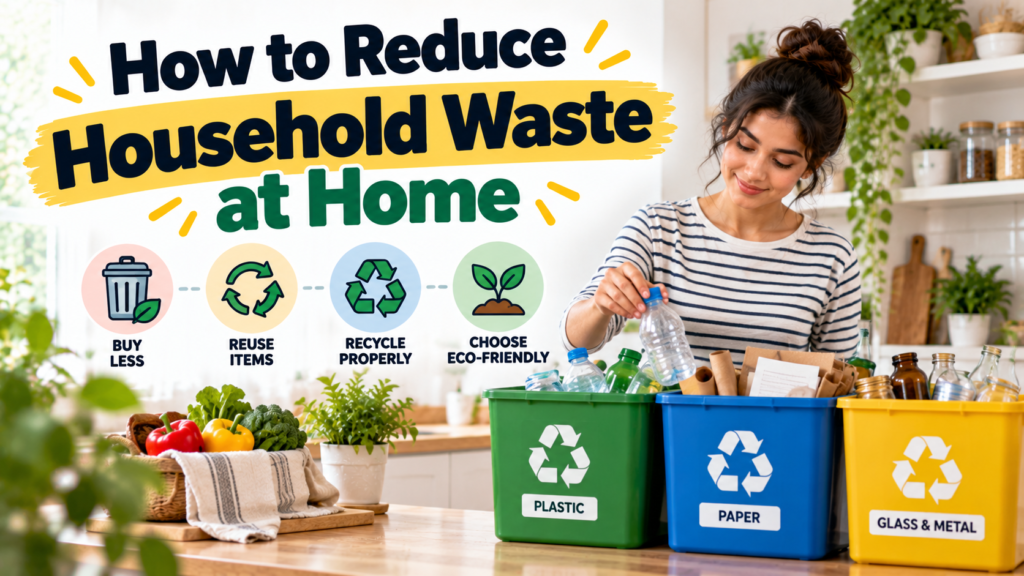
Start by creating separate containers for recyclable materials and general waste. Depending on local services, recyclable items may include clean paper, cardboard, glass bottles, metal cans, and certain types of plastic.
Keep recyclable materials reasonably clean and dry. Empty containers and remove food residue when required by your local recycling program.
Check packaging labels and local recycling instructions before placing items in a recycling container. Not every plastic product is recyclable in every area, and some materials require special collection.
Do not mix hazardous household waste, such as certain batteries, chemicals, or electronic items, with ordinary rubbish. Look for appropriate collection or disposal services.
If formal recycling facilities are limited in your area, find out whether local recyclers accept particular materials. Avoid assuming that every item marked as recyclable will be processed locally.
Separating waste correctly makes it easier to recover useful materials and reduces contamination.
6. Start Composting Kitchen Scraps
Composting is a useful way to turn suitable organic waste into a material that can improve soil. Instead of sending every vegetable peel or garden clipping to the rubbish bin, you can compost suitable scraps at home.
Common compostable materials include fruit and vegetable scraps, coffee grounds, tea leaves without plastic components, dry leaves, and untreated plant material.
A basic compost system needs a suitable container or designated area, a balance of green materials and dry brown materials, and enough air and moisture to support decomposition.
Green materials provide nitrogen, while brown materials such as dry leaves, shredded untreated cardboard, and dry plant matter provide carbon. Mixing these materials helps create a more balanced compost pile.
Avoid adding meat, dairy products, oily foods, and cooked food scraps to a basic open compost pile because they may attract pests or create unpleasant odors. Some specialized composting systems can handle a wider range of materials.
If you have limited space, a suitable compact composting system may be an option. Check its instructions and local conditions before choosing one.
Finished compost can be used in gardens and around suitable plants. Composting reduces the amount of organic waste sent to disposal facilities while making useful material from kitchen scraps.
7. Reuse Items Instead of Throwing Them Away
Many household items can serve a useful purpose beyond their original use. Before throwing something away, consider whether it can be reused safely.
Glass jars can store dry ingredients or small household supplies when they are properly cleaned. Sturdy cardboard boxes may help organize cupboards, while old towels can be cut into cleaning cloths.
Reusable containers can hold craft supplies, stationery, or small tools. Durable shopping bags can be used repeatedly rather than replaced after every shopping trip.
However, always consider the intended use. Containers previously used for chemicals should never be reused for food. Damaged items, sharp materials, and products that may contain harmful residues should be handled appropriately.
You can also repair some household products instead of replacing them. Sewing a loose button, fixing a small tear, or repairing a simple household item may extend its useful life.
Reusing items helps reduce demand for new products and can save money. It also encourages a more thoughtful approach to everyday consumption.
8. Buy Only What Your Household Needs
Unplanned shopping often leads to waste. Food can expire before it is used, clothing may remain unworn, and household products can accumulate in cupboards.
Before buying something, ask yourself whether it is necessary and whether you already own a similar item.
Make shopping lists and stick to them as much as possible. Check the quantity and size of products before purchasing, especially when buying perishable foods or items with a limited shelf life.
Avoid buying large quantities simply because a product is on sale. A discount is not a saving if the product eventually goes unused.
When choosing household goods, consider durability, repairability, and how frequently you will use them. A product that lasts longer may offer better value than a cheaper item that needs frequent replacement.
For clothing, furniture, books, and other durable goods, consider buying secondhand when appropriate. Borrowing or sharing items that are needed only occasionally can also prevent unnecessary purchases.
Thoughtful shopping reduces clutter and helps prevent waste before it enters your home.
9. Reduce Paper Waste
Paper waste can come from shopping receipts, printed documents, newspapers, packaging, notebooks, and advertising materials.
You can reduce unnecessary paper use by choosing digital documents when suitable, reading online publications, and avoiding printing documents that you do not need in physical form.
If printing is necessary, use both sides of the paper when appropriate. Keep sheets with one blank side for rough notes or practice writing.
Reuse cardboard boxes and suitable paper packaging before recycling them. If your household receives unwanted advertising materials, check whether you can opt out of receiving them.
For home organization, digital calendars and electronic lists may replace some paper notes, although a physical notebook remains useful for many people.
Make sure sensitive documents are disposed of securely. Recycling should not expose private information.
Paper reduction is a simple change that can save resources while keeping desks, drawers, and storage areas less cluttered.
10. Donate or Sell Items You No Longer Need
Many household items are thrown away even when they remain useful. Clothing, books, furniture, kitchen equipment, and toys may still have value to another person.
Before disposing of a usable item, consider donating it to a suitable charity, community organization, or someone who needs it. You may also sell items in good condition through an appropriate secondhand marketplace.
Clean items before donating them and check whether the receiving organization accepts that type of product. Do not donate broken, unsafe, or unhygienic items unless the organization specifically accepts them for repair or recycling.
For larger items such as furniture, check the condition and make sure they can be transported safely.
Sharing useful belongings can extend their life and reduce demand for new products. It also helps prevent unnecessary waste from ending up in landfills.
If an item cannot be reused, investigate whether a suitable recycling or specialist disposal service is available.
11. Choose Reusable Household Cleaning Supplies
Cleaning is another area where household waste can build up. Disposable wipes, paper towels, single use cleaning pads, and frequently replaced plastic bottles may create unnecessary rubbish.
Where suitable, use washable cleaning cloths, reusable mop pads, and durable cleaning tools. Wash reusable cloths regularly according to their care instructions and replace them when they become worn or unhygienic.
You may also consider concentrated cleaning products or refill options if they are available and appropriate for your household.
Choose products based on their intended use and follow the manufacturer’s instructions. Never mix cleaning chemicals unless the product labels specifically allow it.
Reusable supplies are most beneficial when they are used many times and cleaned properly. There is no need to replace every cleaning product you already own at once. Use existing supplies responsibly and make gradual changes when replacements are needed.
This approach can reduce disposable waste without making household cleaning more complicated.
12. Reduce Water and Energy Waste
Although water and electricity are not solid household waste, using them unnecessarily wastes valuable resources and can increase household expenses.
Turn off taps when water is not needed, repair leaks promptly, and use washing machines or dishwashers with suitable full loads when practical.
Choose energy efficient appliances when replacing old equipment, and switch off lights and electronics when they are not needed. Follow appliance instructions to maintain safe and efficient operation.
Use leftover clean water for suitable household tasks when safe and appropriate. For example, water collected from rinsing vegetables may be used for outdoor plants if it has not been contaminated by soap, cleaning products, or harmful substances.
Avoid wasting hot water while waiting for it to reach the desired temperature if a practical alternative is available.
Small improvements in water and energy use can help reduce household bills while supporting more responsible resource consumption.
13. Create a Simple Household Waste Routine
Reducing household waste becomes easier when it is part of your regular routine rather than an occasional project.
Start with a few simple habits. Check the refrigerator before shopping, plan meals for the coming days, separate recyclable materials, and keep reusable bags near the door.
Choose a regular time each week to review your pantry and refrigerator. Identify food that needs to be used soon and plan meals around those ingredients.
Keep waste sorting containers in convenient locations. If recycling bins are difficult to access, family members may be less likely to use them consistently.
Encourage everyone in the household to participate. Children can learn to separate suitable recyclables, reuse paper for drawing, and put reusable items back in their proper places under appropriate supervision.
You can also track how much rubbish your household produces each week. Even a simple visual comparison can help identify improvements.
Do not try to change every habit at once. Begin with the easiest changes and gradually add new practices as they become part of your routine.
14. Avoid Common Waste Reduction Mistakes
One common mistake is purchasing too many reusable products in an attempt to become more environmentally friendly. Reusable bags, bottles, containers, and cleaning cloths are most useful when they replace disposable products and are used repeatedly.
Another mistake is assuming that every item can be recycled. Recycling rules differ between locations, and contaminated materials may not be accepted.
It is also important not to keep unnecessary belongings simply because they might be useful someday. If an item is unlikely to be used, consider donating it, selling it, or disposing of it responsibly.
Do not allow food scraps or waste containers to accumulate in ways that attract pests. Keep bins covered where appropriate and clean them regularly.
Finally, avoid becoming discouraged if you cannot eliminate household waste completely. Some products are difficult to avoid, and recycling or composting options may be limited in certain areas.
The goal is to reduce avoidable waste through realistic, consistent changes.
Conclusion
Reducing household waste at home is a practical way to save money, maintain a cleaner living environment, and use resources more responsibly. You do not need expensive equipment or a completely different lifestyle to begin making progress.
Start by understanding what your household throws away most often. Plan meals carefully, store food properly, reduce unnecessary packaging, separate recyclable materials, and compost suitable kitchen scraps where possible.
You can also reuse everyday items, donate belongings that remain useful, reduce paper consumption, and choose durable products that last longer. Simple routines make these habits easier to maintain over time.
In my view, the most effective way to reduce household waste is to focus on prevention first. Buying only what you need and using items for as long as practical often prevents more waste than trying to manage rubbish after it has already been created.
Begin with two or three changes that suit your household and build from there. With regular effort, small daily actions can lead to less waste, better organization, and a more responsible home.