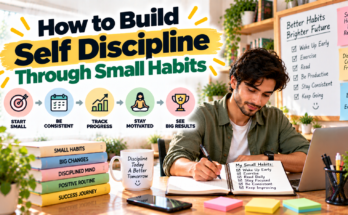

Building better daily habits is one of the simplest ways to improve everyday life. Small actions, when repeated consistently, can help us become more organized, manage our time effectively, and make steady progress toward personal goals. However, developing new habits is not always easy. Many people start with enthusiasm but struggle to continue when their schedules become busy or their motivation decreases.
In my opinion, the key to building better daily habits is to start small and focus on consistency rather than perfection. We do not need to change our entire lifestyle overnight. Instead, we can improve our routines gradually by making practical choices that fit our daily responsibilities.
Whether you want to read more, exercise regularly, keep your home organized, improve your productivity, or spend less time on your phone, the right approach can help you develop habits that last.
In this article, I will explain how to build better daily habits, avoid common mistakes, and create a routine that supports a more balanced and productive lifestyle.
1. Understand Why Daily Habits Matter
Daily habits are the small actions we repeat regularly, often without giving them much thought. These actions may include making the bed, planning the day, drinking water, reading, exercising, or organizing our workspace.
Although individual actions may seem unimportant, repeating them over time can make a meaningful difference. For example, reading a few pages every day can help you develop a regular reading routine. Spending a few minutes planning your tasks can make it easier to manage responsibilities.
Good habits also reduce the need to make repeated decisions. When an activity becomes part of your routine, you may find it easier to complete without waiting for motivation.
However, habits do not automatically guarantee success. Their value depends on whether they support your goals and fit your circumstances. That is why it is important to choose habits that improve your everyday life rather than following routines simply because other people recommend them.
2. Start With Small and Realistic Goals
One common mistake people make when building better habits is trying to change too many things at once. Someone may decide to exercise for an hour, read for thirty minutes, wake up early, prepare every meal at home, and stop using social media all in the same week.
Although these goals may be positive, managing them together can become difficult. When the routine feels overwhelming, people may stop following it altogether.
A better approach is to begin with one or two small habits.
For example, if you want to develop a reading habit, start with five minutes a day. If you want to become more active, begin with a short walk that suits your fitness level. If your goal is to keep your home tidy, spend five minutes putting away misplaced items.
Small goals are easier to fit into a busy schedule. Once the activity becomes more comfortable, you can gradually increase the time or difficulty.
The purpose is not to achieve impressive results immediately. It is to create a routine that you can realistically maintain.

3. Identify the Habits You Want to Improve
Before changing your routine, take some time to understand what you want to improve. Clear goals make it easier to choose habits that support your priorities.
Think about the areas of your life that need more attention. You might want to improve your health, manage your time, develop new skills, organize your home, or become more consistent with work.
Write down a few habits that could help you make progress.
For example:
- Read for ten minutes each day to develop a regular reading routine.
- Plan the next day’s tasks before going to bed.
- Walk regularly to include more movement in your day.
- Spend a few minutes organizing your workspace.
- Set aside time to learn a useful skill.
- Reduce unnecessary phone use during work or study sessions.
Choose habits that are meaningful to you. A routine is easier to maintain when you understand why it matters.
It is also helpful to make your goals specific. Instead of saying that you want to become more productive, decide to plan your three most important tasks each morning.
4. Connect New Habits With Existing Routines
One practical way to build better daily habits is to connect a new activity with something you already do regularly.
Existing routines provide natural reminders. For example, if you want to read more, you could read a few pages after breakfast. If you want to plan your day, review your tasks after preparing your morning drink.
This approach helps you remember the new habit because it becomes associated with a familiar activity.
You can use simple connections such as:
- After brushing your teeth, spend a minute reviewing your priorities.
- After lunch, take a short walk if your schedule and surroundings allow.
- After finishing work, spend five minutes organizing your desk.
- Before going to bed, prepare the items you need for the next morning.
Choose a connection that makes sense for your lifestyle. If your mornings are usually rushed, it may be easier to establish a new habit in the evening.
Over time, these connections can make your routine feel more natural and easier to follow.
5. Create a Simple Daily Schedule
A daily schedule can help you make space for important habits. Without some planning, work, household responsibilities, and unexpected tasks may take up most of your available time.
You do not need to plan every minute of your day. Instead, identify the main activities that matter and decide when you can reasonably complete them.
For example, your routine might include time for personal responsibilities in the morning, focused work or study during the day, movement in the afternoon, and preparation for the next day in the evening.
Keep your schedule flexible enough to accommodate changes. A routine that allows no room for unexpected responsibilities can quickly become frustrating.
It is also useful to prioritize your most important tasks. If you have limited time, complete the essential activities first and fit smaller habits around them.
Remember that a daily schedule should support your life, not control every moment. The goal is to make good habits easier to practice consistently.
6. Make Good Habits Easy to Follow
The environment around you can influence your behavior. When a useful activity is easy to begin, you may be more likely to do it regularly.
For example, if you want to read every day, keep a book somewhere convenient. If you want to exercise in the morning, prepare comfortable clothing in advance. If you want to eat more homemade meals, organize your kitchen so frequently used ingredients are easy to find.
You can also reduce the number of steps required to begin a habit.
If you want to write regularly, keep your notebook and pen ready. If you want to spend less time scrolling on your phone, place it away from your workspace during focused tasks.
Small environmental changes can reduce distractions and make useful actions more convenient.
Instead of relying entirely on willpower, look for ways to arrange your surroundings so the habits you want to develop become easier to perform.
7. Reduce Habits That Waste Your Time
Building better daily habits also involves recognizing behaviors that interfere with your goals. These may include excessive social media use, unnecessary online browsing, delaying important tasks, or spending too much time switching between activities.
The first step is to notice when these behaviors occur. For a few days, pay attention to how you spend your time and identify activities that regularly distract you.
You do not need to eliminate every enjoyable activity. Relaxation and entertainment are important too. The goal is to maintain a reasonable balance.
For example, you could check social media during planned breaks instead of opening it repeatedly while working. You might keep your phone outside your immediate workspace when completing an important task.
If you often delay tasks because they seem difficult, break them into smaller steps. Beginning with a simple action can make the task feel more manageable.
Reducing distractions creates more room for habits that support your priorities.
8. Track Your Progress Regularly
Tracking your habits can help you understand whether your routine is working. It also provides a simple way to recognize progress that might otherwise go unnoticed.
You do not need an expensive application or complicated planner. A notebook, calendar, or basic checklist can be enough.
Write down the habits you want to practice and mark each day you complete them. For example, you might track reading, walking, planning your day, or organizing your home.
Review your progress at the end of each week. Consider which habits were easy to maintain and which ones were difficult.
If you repeatedly miss a habit, ask yourself why. Perhaps the goal is too ambitious, the timing is inconvenient, or you need a better reminder.
Use this information to adjust your routine rather than criticizing yourself.
Habit tracking should be a helpful tool, not another source of pressure. Missing a day does not erase the progress you have already made.
9. Learn to Stay Consistent Without Depending on Motivation
Motivation can make it easier to begin a new habit, but it naturally changes from day to day. You may feel enthusiastic one morning and tired or distracted the next.
For this reason, it helps to develop routines that do not require a high level of motivation every time.
One useful strategy is to establish a minimum version of your habit. If your usual goal is to read for twenty minutes, you might read one page on an unusually busy day. If you planned a walk but have limited time, a brief walk may be a practical alternative when appropriate.
The smaller version keeps the activity connected to your routine without demanding too much effort.
However, rest is also important. If you are ill, exhausted, or dealing with an unusually demanding situation, adjust your expectations instead of forcing yourself to complete every task.
Consistency means returning to a useful routine over time. It does not mean performing perfectly every day regardless of circumstances.
10. Build Better Morning Habits
Your morning routine can influence how you begin the day. A calm and organized start may help you feel more prepared for your responsibilities.
You do not need to wake up extremely early or follow a complicated routine to benefit from better morning habits.
Start with a few practical actions. Give yourself enough time to get ready, review your priorities, eat breakfast if it suits your needs, and prepare the items required for the day.
Try to avoid immediately becoming distracted by notifications if checking your phone makes your morning feel rushed.
You can also make mornings easier by preparing certain things the night before. Choose your clothing, organize your bag, or write down the tasks you need to complete.
The best morning routine is one that fits your sleep schedule, work responsibilities, family needs, and personal preferences.
11. Develop a Healthy Evening Routine
Evening habits can help you finish the day calmly and prepare for tomorrow. A simple evening routine may also make it easier to maintain other good habits.
Start by reviewing what you accomplished during the day. Identify any important tasks that need attention tomorrow, and write them down so you do not have to remember everything.
Spend a few minutes putting away belongings, preparing necessary items, or organizing your workspace.
If you often stay awake because you use your phone late at night, consider reducing screen time before bed. Choose a relaxing activity, such as reading, listening to calm audio, or preparing for the next day.
Try to maintain a reasonably consistent sleep and wake time when your circumstances allow. Adequate sleep supports attention, mood, and daily functioning.
An evening routine should feel manageable. A few useful actions are often more effective than a long list of tasks that becomes difficult to complete.
12. Do Not Try to Build Too Many Habits at Once
It can be tempting to improve every part of your life immediately. However, adding too many habits at the same time may divide your attention and make it harder to maintain progress.
Instead, focus on a small number of priorities. Practice them until they become more familiar before adding several new commitments.
For example, you might begin by planning your day and reading for ten minutes. After you have developed a workable routine, you could introduce regular exercise or a short evening cleanup.
There is no universal timeline for developing a habit. The time required depends on the activity, the individual, and the surrounding circumstances.
Avoid comparing your progress with someone else’s routine. People have different responsibilities, energy levels, schedules, and starting points.
A slower approach can be more sustainable because it allows you to adjust your habits to your real life.
13. Learn From Setbacks and Start Again
Setbacks are a normal part of changing behavior. You may forget a habit, experience a busy week, or discover that your original plan does not fit your schedule.
Instead of treating a missed day as failure, use it as an opportunity to learn.
Ask yourself what prevented you from following the routine. Was the habit too time consuming? Did you forget a reminder? Did another responsibility take priority?
Once you understand the problem, make a practical adjustment.
For example, if you cannot read in the morning because your schedule changes frequently, try reading during a regular evening break. If your daily exercise goal is difficult to maintain, choose a shorter activity that fits your current circumstances.
You do not have to wait for a new week or month to begin again. You can return to your habit at the next suitable opportunity.
Progress comes from learning, adjusting, and continuing rather than expecting a perfect record.
14. Review and Improve Your Habits Every Week
A weekly review helps you determine whether your habits are contributing to your goals. Set aside a few minutes to consider what worked well and what needs improvement.
Ask yourself three simple questions:
- Which habits did I follow consistently?
- What made the difficult habits harder to complete?
- What small change could improve my routine next week?
Your answers can help you create a more realistic plan.
For example, you may discover that you complete important tasks more easily when you prepare a list the night before. You might find that your home stays tidier when everyone spends a few minutes cleaning before bedtime.
Keep the changes that work and adjust the ones that do not.
Your routine does not need to remain the same forever. As your responsibilities and priorities change, your habits can change too.
Conclusion
Building better daily habits is a gradual process that begins with small, practical actions. You do not need to change your entire lifestyle or follow a perfect schedule to make progress. By choosing meaningful goals, connecting new habits with existing routines, reducing distractions, and tracking your progress, you can create a system that supports your everyday life.
In my opinion, consistency becomes easier when habits are realistic and flexible. Start with one or two activities that matter to you, make them easy to follow, and give yourself time to adjust. When setbacks happen, learn from them and return to your routine without unnecessary pressure.
The most useful habits are not always the biggest or most impressive ones. Often, they are the small actions you can repeat regularly. With patience and steady effort, better daily habits can help you become more organized, productive, and confident in managing your responsibilities.